Lithium vs. Lead Acid & AGM Batteries for Pontoon Boats
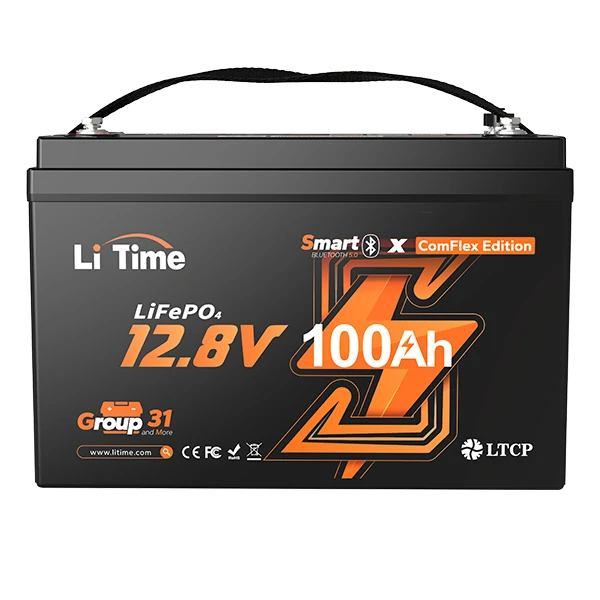
Upgrading your pontoon boat to lithium batteries is one of the most impactful improvements you can make, especially for electric propulsion systems. At Arizona Pontoon, we commonly use the LiTime 12V 100Ah Smart Batteries and LiTime 48V 100Ah GC Smart Batteries due to their performance, reliability, and built-in battery management systems (BMS). Below is a breakdown of how lithium compares to traditional lead acid and AGM batteries.
Lithium vs Lead Acid vs AGM (Quick Comparison)
| Feature | Lithium (LiTime) | AGM | Lead Acid |
|---|---|---|---|
| Lifespan | 8–10+ years | 3–5 years | 2–4 years |
| Usable Capacity | 90–100% | 50–70% | ~50% |
| Weight | Very Light | Medium | Heavy |
| Maintenance | None | Low | High |
| Charge Speed | Fast | Moderate | Slow |
| Performance Drop-Off | None | Moderate | High |
5 YEAR WARRANTY ON LITIME LITHIUM BATTERIES
Bluetooth Monitoring & Smart Control
Built-in Bluetooth connectivity allows you to monitor your battery in real time directly from your phone, including state of charge, voltage, temperature, and overall system health. This provides far more accuracy than traditional gauges and helps prevent unexpected shutdowns by giving you a clear picture of your remaining runtime.

Performance in Arizona Heat
Heat is one of the biggest concerns for boat owners in Arizona, and it’s important to understand how each battery type performs:
Lithium (LiTime Smart Batteries):
- Built-in Battery Management System (BMS) protects against overheating
- Performs well in high ambient temperatures when properly ventilated
- More stable than lead acid in sustained heat conditions
- Should not be charged below freezing (not an issue in AZ), but handles heat very well
AGM Batteries:
- Better than flooded lead acid, but still degrade faster in heat
- Heat shortens lifespan significantly
Lead Acid Batteries:
- Most sensitive to heat
- High temperatures accelerate water loss and internal corrosion
- Shortest lifespan in Arizona climates
Bottom Line: Lithium batteries handle Arizona heat better long-term, especially due to internal protections and reduced chemical degradation.
Important Consideration:
Low Voltage Cutoff
One key difference with lithium batteries is how they behave when depleted.
Unlike lead acid or AGM batteries that gradually lose power, lithium batteries operate more like a power tool:
- When the battery reaches its minimum safe voltage, the BMS will shut the battery off instantly
- This protects the battery from damage and dramatically extends its lifespan
- However, it can feel abrupt if you’re not expecting it
What this means for boaters:
You won’t get a slow “warning fade”—instead, the system will shut off when depleted. Proper battery monitoring or a charge gauge is recommended to avoid unexpected shutdowns.
Charging & System Compatibility
When upgrading to lithium batteries, it’s important to ensure your system is properly set up:
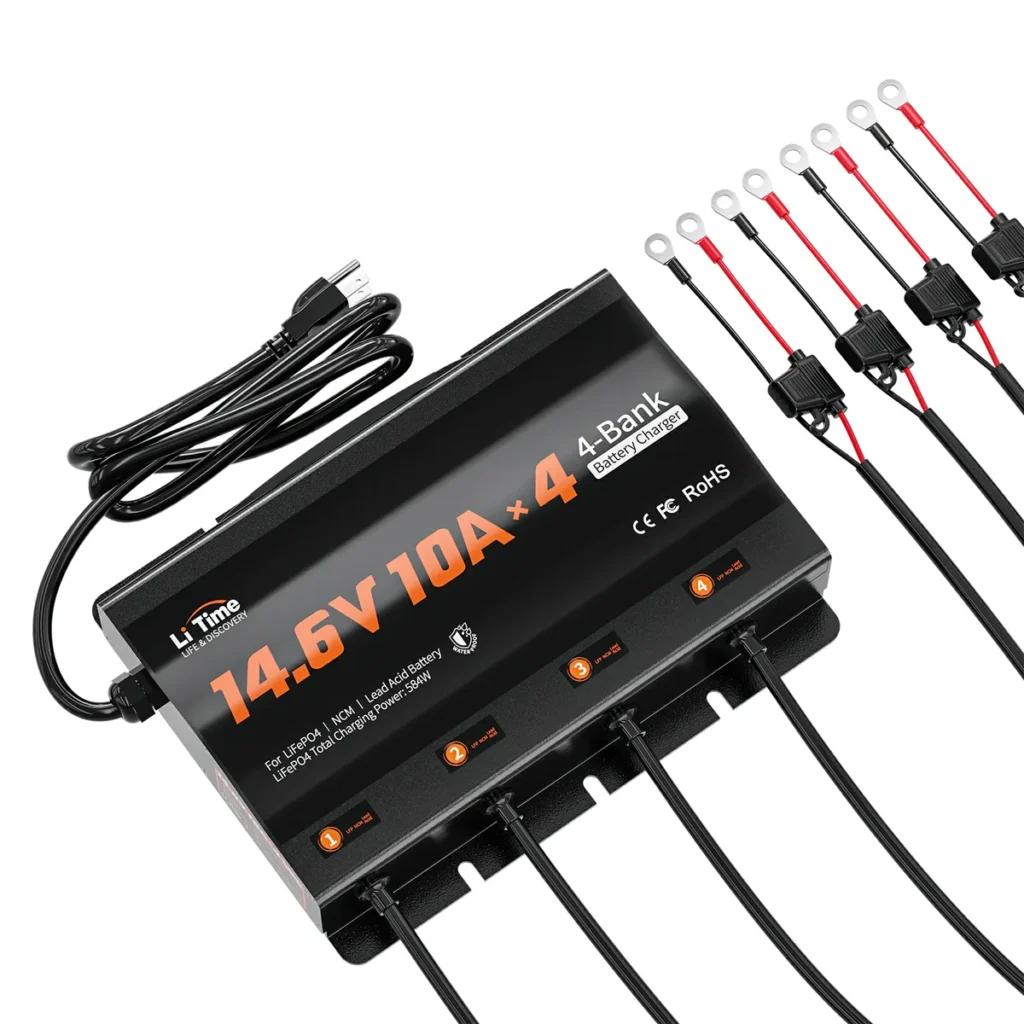
- Battery Maintainer / Charger:
Most existing chargers designed for lead acid or AGM batteries are not compatible with lithium. A lithium-specific charger or onboard maintainer is typically required to ensure proper charging and battery health. - Voltage Meter / Gauge:
Traditional voltage meters are calibrated for lead acid batteries and can give inaccurate readings with lithium systems. We recommend installing a lithium-compatible voltage meter or battery monitor to accurately track charge levels.
At Arizona Pontoon, we evaluate your entire system and upgrade components as needed to ensure everything works together safely and efficien